


-

Add: HeBei ShengShi HongBang Cellulose Technology CO.,LTD.
-

Email
13180486930@163.com -

CONTACT US
+86 13180486930
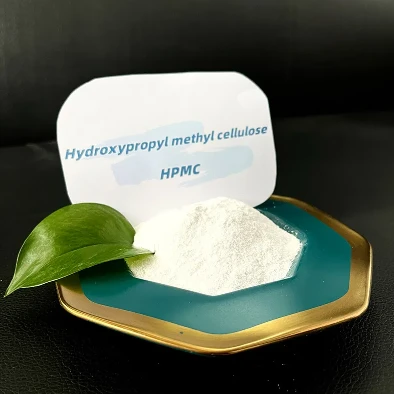

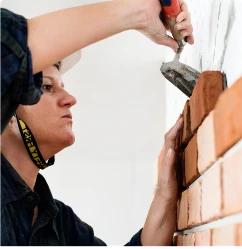

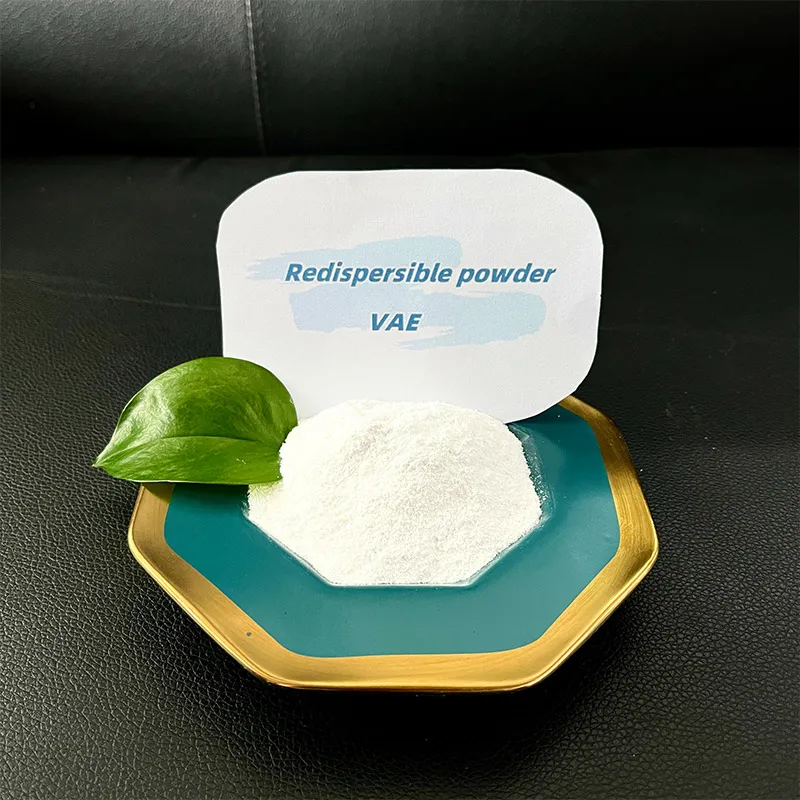


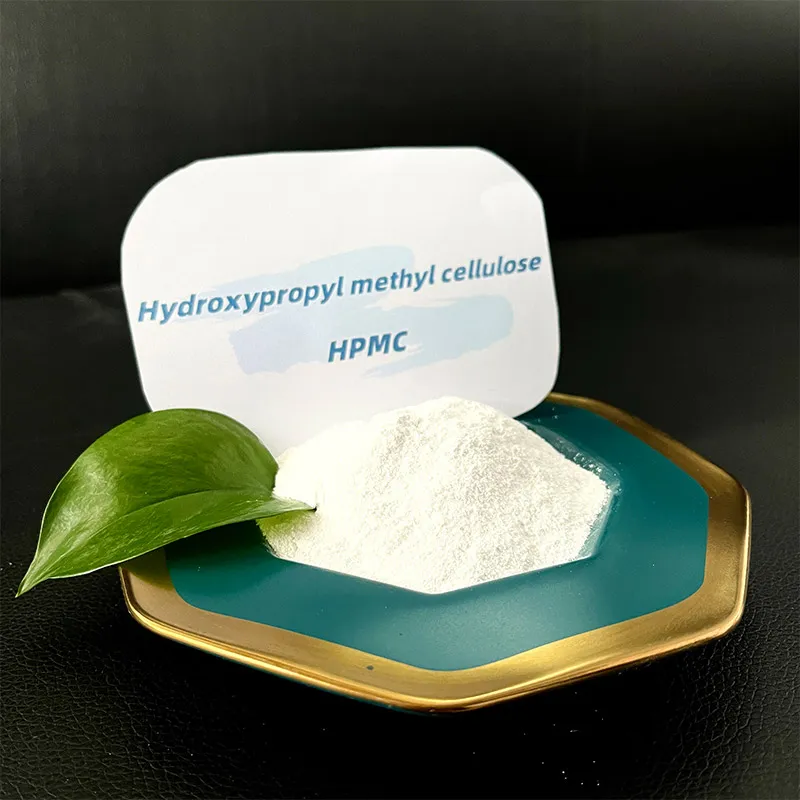
Hydroxymethyl cellulose , often encountered in its more prevalent derivative form hydroxypropyl methylcellulose , represents a cornerstone of modern construction chemistry. Derived from natural cellulose through etherification, this non-ionic, water-soluble polymer exists as a white, odorless, and tasteless powder. Its unique properties – exceptional water retention, thickening capability, adhesion enhancement, and workability modification – make it indispensable in numerous building materials. While often used interchangeably in construction contexts, hpmc cellulose typically offers superior performance in critical areas like enzyme resistance, temperature stability, and consistent viscosity development compared to basic hydroxymethyl cellulose . Understanding the fundamental chemistry and rheology of these cellulose ethers is paramount for optimizing their use in demanding construction environments, where controlling water dynamics and paste consistency directly impacts final product quality and application efficiency. Core Functions of hpmc Cellulose The primary value of hydroxypropyl methylcellulose lies in its multifaceted functionality within cementitious and gypsum-based systems: Unmatched Water Retention: This is arguably HPMC cellulose 's most critical attribute. By significantly slowing the rate of water loss to the substrate and atmosphere, it ensures sufficient water remains available for the complete hydration of cement or setting of gypsum. This prevents premature drying, minimizes plastic shrinkage cracking, enhances ultimate strength development, and improves bond strength to substrates. Poor water retention leads to weak, dusty surfaces and poor adhesion. Rheology Modification & Workability Enhancement: hpmc cellulose acts as a highly efficient thickener and rheology modifier. It imparts desirable consistency to mortars and plasters, improving sag resistance on vertical surfaces, reducing splattering during application, and enhancing toolability. The viscosity grade of the hydroxypropyl methylcellulose selected directly influences the final mix rheology. Air Entrainment: The incorporation process of hpmc cellulose often introduces a controlled amount of minute, stable air bubbles into the mix. This micro-air improves workability further, enhances cohesion, reduces density, and can improve freeze-thaw resistance in exterior applications. However, excessive air entrainment must be avoided as it compromises strength. Adhesion Promotion: hpmc cellulose films formed at interfaces enhance the adhesive bond between the applied material and the substrate, as well as improving cohesion within the material itself. Retardation: By forming a film around cement particles and reducing water availability, hpmc cellulose can slightly retard the setting time, extending open time for application and adjustment, particularly crucial in tile adhesives and large renders. Optimizing Hydroxypropyl Methylcellulose Selection and Dosage Selecting the right hydroxypropyl methylcellulose grade and dosage is not arbitrary; it requires careful consideration of the specific application and desired performance profile: Viscosity Grade: hpmc cellulose is available in a wide range of viscosity grades. Lower viscosity grades are often used in self-leveling compounds or where high flow is needed. Medium viscosity is common for tile adhesives and standard renders. High viscosity grades provide excellent sag resistance in thick-bed mortars, plasters, and exterior insulation finishing systems base coats. Hydroxypropyl Substitution Ratio: The ratio of methyl to hydroxypropyl groups on the cellulose chain influences key properties. Higher methyl substitution generally improves water solubility. Higher hydroxypropyl substitution enhances thermal gelation temperature (critical for hot weather application) and improves enzyme resistance in cementitious systems. Most construction-grade hpmc cellulose balances these substitutions for optimal performance. Particle Size and Modification: Finer powders dissolve faster but may be dustier. Surface-treated hpmc cellulose powders offer delayed dissolution ("lump-free" mixing) and are highly preferred for dry-mix mortars added to mixers with water. FAQs about hpmc Cellulose What causes slow strength development in my HPMC-modified mortar? Slow strength gain is most commonly linked to excessive dosage of hydroxypropyl methylcellulose . While HPMC provides essential water retention and workability, overdosing significantly retards the hydration of cement by physically coating particles and limiting water access. Carefully review and reduce the hpmc cellulose dosage according to formulation guidelines and application needs. Ensure environmental conditions (especially low temperature) aren't the primary cause. Verify cement quality and freshness. Why is my hpmc cellulose render cracking shortly after application? Plastic shrinkage cracking in renders is primarily due to rapid water loss before the material gains sufficient strength. This indicates insufficient water retention capacity. Check that you are using an adequate type and dosage of hpmc cellulose , specifically chosen for its high water retention performance suitable for renders. Ensure the substrate wasn't overly absorbent and wasn't pre-wetted correctly. Applying in hot, dry, or windy conditions without adequate protection (sun/wind screens) will exacerbate this issue, even with good hydroxymethyl cellulose derivatives. How do I prevent lump formation when mixing hpmc cellulose ? Lumps occur when hpmc cellulose powder hydrates too quickly on the surface, trapping dry powder inside. The solution is twofold:Always pre-blend the dry hydroxypropyl methylcellulose powder thoroughly with the other dry ingredients (cement, sand, filler) before adding water. This dilutes it and prevents clumping. Crucially, use surface-treated (delayed solubility) hpmc cellulose grades. These are chemically modified to dissolve gradually, allowing time for dispersion before thickening occurs, virtually eliminating lumps even if added directly to water under agitation. Ensure adequate mixing energy and time. Can I use hpmc cellulose in hot weather? Yes, but job site practices are essential. Standard hydroxypropyl methylcellulose solutions thicken significantly and can even gel as temperature rises. For hot climates or summer application, specify hpmc cellulose grades engineered with a high thermal gelation temperature . These maintain viscosity stability and workability much better under heat. Additionally, store materials in the shade, use cool mixing water if possible, schedule work during cooler parts of the day, and protect applied materials from direct sun and wind to slow evaporation. Is hpmc cellulose compatible with other admixtures? Generally, hydroxypropyl methylcellulose exhibits good compatibility with most common construction admixtures like superplasticizers, air-entraining agents , retarders, and accelerators. However, interactions can occur. For instance, some superplasticizers might slightly reduce the viscosity imparted by hpmc cellulose . Some retarders might have synergistic or antagonistic effects. Air-entraining agents combined with hpmc cellulose can sometimes lead to higher than desired air contents. Always conduct small-scale compatibility tests when formulating with multiple admixtures. Add admixtures sequentially according to manufacturer recommendations, often adding hpmc cellulose early in the dry blend and liquid admixtures to the mix water. Mastering the use of hydroxymethyl cellulose and its advanced counterpart, hydroxypropyl methylcellulose , is fundamental to achieving high-performance, durable, and workable building materials. From the crucial water retention that safeguards against cracking and ensures full hydration, to the rheological control enabling smooth application and sag resistance, hpmc cellulose acts as a vital multifunctional modifier. Success hinges on selecting the appropriate grade and dosage for the specific application—whether it's a high-sag-resistance plaster, a highly retarded tile adhesive, or a fluid self-leveling compound. Adherence to proper mixing protocols, awareness of environmental conditions, and understanding substrate requirements are equally critical. By addressing common challenges through informed choices and practices, as highlighted in the FAQs, formulators and applicators alike can consistently leverage the unique properties of hpmc cellulose to produce superior construction results, enhancing both the efficiency of the building process and the longevity of the finished structure. The versatility and effectiveness of hydroxypropyl methylcellulose cement its indispensable role in modern, high-quality construction chemistry.
- 40000tons

Production
- 20+years

Experience
- 5000+㎡

Acreage

-
Hydroxypropyl methyl cellulose (HPMC) is a synthetic polymer used across varied industries, including pharmaceuticals, food, and cosmetics, due to its versatile properties. Despite its widespread usage, understanding the side effects associated with HPMC is crucial, especially for individuals with specific health considerations or allergies. As a dietary supplement and pharmaceutical excipient, HPMC is generally recognized as safe (GRAS) by health authorities such as the FDA. However, users may sometimes report mild side effects. From an experiential perspective, individuals with sensitive digestive systems have noted bloating or mild abdominal discomfort when consuming products containing HPMC, especially in higher doses. This usually occurs because HPMC changes the viscosity in the gastrointestinal tract, potentially affecting the natural digestive process. In terms of expert analysis, HPMC is non-toxic and allergen-free according to numerous studies published in pharmaceutical journals. Research shows that adverse reactions are rare and mostly associated with hypersensitive individuals or those with specific conditions like irritable bowel syndrome (IBS). These occurrences underline the importance of consulting healthcare professionals before introducing any new supplement containing HPMC, particularly for people with pre-existing digestive issues. Authoritative sources, including the European Medicines Agency (EMA) and World Health Organization (WHO), have acknowledged the safety profile of HPMC. However, fact-based reporting emphasizes the need for manufacturers to maintain transparency through labeling, enabling consumers to make informed decisions based on potential allergies or sensitivities. This practice not only enhances consumer trust but also aligns with global regulatory standards. hydroxypropyl methyl cellulose side effects Trustworthiness is bolstered by real-world studies and user testimonials. Regular consumers of products with HPMC, such as targeted fiber supplements, have reported positive experiences, particularly in cases where HPMC functions as a bulking agent that aids in bowel regularity. Nevertheless, for those with an allergic disposition, even minimal exposure could potentially lead to contact dermatitis or other allergic responses when used in topical products. It's crucial to underline that while HPMC itself is chemically inert and stable, combining it with other inactive materials in pharmaceuticals or foods could alter its effect in specific contexts. Such interactions underscore the importance of producing and consuming products within the recommended dosage guidelines provided by health professionals. In conclusion, the side effects of hydroxypropyl methyl cellulose are minimal and largely limited to individual sensitivity . Adherence to prescribed formulations and a clear understanding of one's health conditions facilitate the safe use of HPMC in various applications. For businesses and consumers alike, staying informed about the latest research and ensuring transparent communication regarding product ingredients serve as pivotal steps in maximizing the benefits and minimizing potential drawbacks associated with HPMC usage. This strategic approach ensures ongoing consumer confidence and product integrity, aligning well with contemporary health-conscious trends.
-

يمكن أن يتساءل الكثيرون حول فعالية وقوة استخدام الغراء HPMC في مجالات البناء والتشييد. هذا المنتج ليس مجرد مادة لاصقة تقليدية؛ بل هو ابتكار حديث في عالم المواد اللاصقة، يرتكز على تجربة استخدام تتسم بالإبداع والجودة العالية. تجربة استخدام HPMC adhesive تعتمد بشكل كبير على تقديم حلول مبتكرة ومستدامة للمهندسين والمعماريين. إن استخدام الغراء HPMC يعزز من متانة البناء، حيث إنه يتميز بخصائص تجعله خيارًا مثاليًا للمشاريع التي تتطلب دقة في الأداء واستمرارية في الجودة. الأشخاص الذين عملوا مع HPMC adhesive وجدوا أنه يمتلك قدرة فائقة على التحمل في مختلف الظروف البيئية، مما يجعله مناسبًا لمجموعة واسعة من التطبيقات سواء في الأجواء الرطبة أو الجافة. الخبرة في العمل مع HPMC تتطلب فهمًا عميقًا لتركيبته الكيميائية التي تعتمد على السليلوز، المعروف بكونه مادة طبيعية بيولوجية تمامًا. هذه التركيبة تجعل من الغراء HPMC مادة صديقة للبيئة، حيث أنها لا تحتوي على أي مكونات سامة . بفضل هذه الخصائص، يتميز الغراء بقدرته على الربط الفعال للمواد المختلفة مثل البلاط، والرخام، وحتى الزجاج، دون ترك أي آثار ضارة على البيئة أو على صحة الإنسان. HPMC اللاصق من الناحية المهنية، لا شك أن HPMC adhesive يُنظر إليه كمادة رائدة بالمجال بسبب قدرته على تقليل الهوامش الخطأ أثناء الإنشاءات. المهندسون العرب الذين جربوا هذه المادة أكدوا على سهولة استخدامها وفعاليتها في الخلط مع مواد البناء الأخرى لخلق قوام متجانس يزيد من كفاءة العمل ويقلل من الوقت المستغرق لإنجاز المشاريع الكبيرة. أما بالنسبة للموثوقية، فإن منتجات HPMC تصدر دومًا عن شركات معترف بها في مجال البناء، حيث تخضع لاختبارات صارمة للتأكد من أنها تلبي أعلى معايير الجودة العالمية. يشيد المهنيون في هذا المجال بالدعم الفني الذي توفره الشركات المصنعة، والذي يتضمن إرشادات مفصلة وتوجيهات حول كيفية تحقيق أقصى استفادة من الغراء HPMC في المشاريع المختلفة. في الختام، يمثل غراء HPMC adhesive حقبة جديدة في عالم البناء، جامعاً بين الكفاءة والجودة، والتوافق البيئي. إن موثوقيته المهنية ومزاياه المتعددة جعلته المنتج الأكثر رواجًا بين المختصين في القطاعات الإنشائية، مما يعزز من موقعه كخيار أول لمن يسعون لإيجاد حلول لاصقة تعتمد على التكنولوجيا المتقدمة والابتكار. إذا كنت تبحث عن مادة لاصقة تجمع بين الخبرة المتقدمة والثقة المهنية في آن واحد، فإن HPMC adhesive هو بالتأكيد الخيار الذي يجب أن تفكر فيه.
advantages
-

200000 Viscosities
Excellent product
We can produce pure products up to 200,000 viscosities
-

40000 tons
High yield
We don’t stop production all year round, and the annual output can reach 40,000 tons
-

24 hours
Quality service
We provide 24-hours online reception service, welcome to consult at any time
———— Inquiry Form
Schedule A services
-
 pp_glass_fiber
Oct . 25, 2025
Macro fibers concrete has emerged as a revolutionary material in the construction industry, renowned -
 prix_de_la_fibre_pp
Oct . 25, 2025
Acrylic fiber, a synthetic fiber made from a polymer called polyacrylonitrile, offers unparalleled v -
 pati_eter_untuk_mortar_kering
Oct . 25, 2025
Hydroxypropyl Methylcellulose (HPMC), widely recognized in industrial and pharmaceutical sectors, ha


